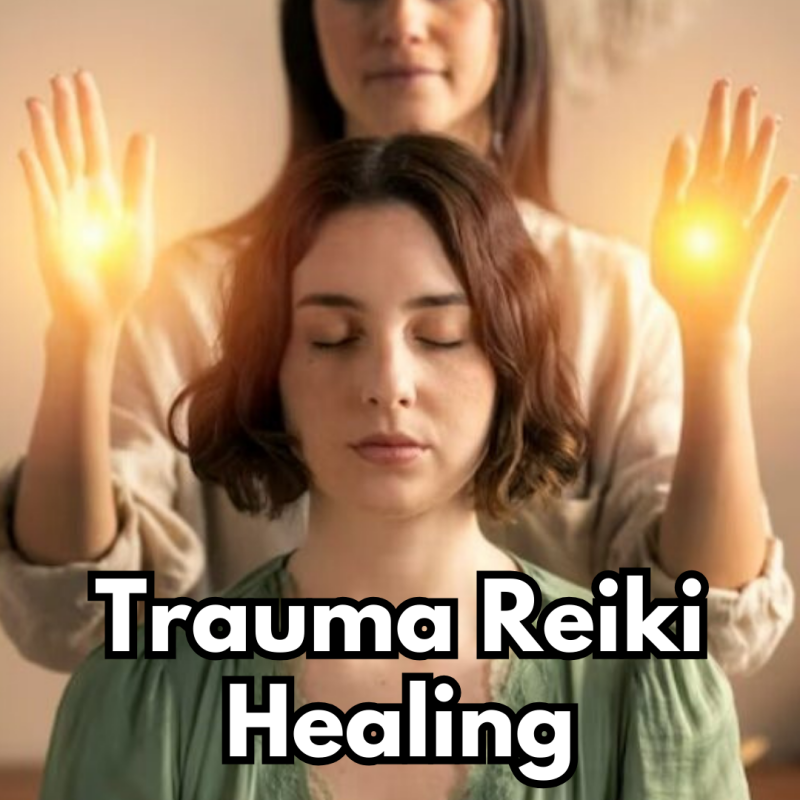
Reiki can be a supportive, calming complement for some people dealing with psychological trauma, but it is not a substitute for trauma-informed mental health care. Many clients report feeling deeply relaxed, more grounded in their bodies, and better able to notice the present moment after a session. The key is to approach Reiki as one tool in a broader healing plan that may also include therapy, medication, social support, and healthy routines.
How Reiki may help
-
Relaxation and nervous-system regulation
Trauma often keeps the body in a state of hypervigilance (fight, flight, freeze, or fawn). Reiki sessions may encourage a relaxation response, which can reduce muscle tension, slow breathing, and help the body shift out of constant alertness.
-
Body awareness
Many trauma survivors become disconnected from bodily sensations. Reiki’s gentle, non-invasive approach can help clients notice sensations, breath, and physical cues in a safe, gradual way.
-
Emotional grounding
Some people experience Reiki as a quiet space to observe emotions without immediately reacting to them. This can support practices of mindfulness and self-compassion.
-
A sense of support and safety
When offered by a practitioner who respects boundaries and obtains consent, Reiki may provide a calming relational experience that feels supportive and nonjudgmental.
Important
A gentle reminder
For significant trauma, especially PTSD, dissociation, self-harm thoughts, or severe anxiety, evidence-based treatment with a licensed mental health professional is important. Reiki can be used alongside that care if the client finds it helpful.
Daily practices to help clients stay present
Think of these as little “anchors” that help the mind return to the here-and-now when it starts drifting into overwhelm, rumination, or flashbacks.
1 5-4-3-2-1 grounding exercise
When feeling overwhelmed, slowly identify:
-
5 things you can see
-
4 things you can feel
-
3 things you can hear
-
2 things you can smell
-
1 thing you can taste
This helps orient the brain to the current environment.
2 Gentle breathing
Try a simple pattern such as inhale for 4, exhale for 6. Longer exhalations can help activate the body’s calming response. Avoid forcing deep breaths if that feels uncomfortable; ease and comfort matter more than intensity.
3 Orienting to safety
A few times a day, pause and look around. Silently name where you are, today’s date, and three signs that you are safe right now. Example: “I’m in my living room. It’s June 2026. The door is locked, I’m with my dog, and I can hear birds outside.”
4 Mindful movement
Walking, stretching, yoga, tai chi, or simply standing and feeling the feet on the floor can help reconnect the mind and body. The goal is not performance; it’s awareness.
5 Brief self-check-ins
Set a gentle reminder once or twice a day and ask:
-
What am I feeling right now?
-
What does my body need right now?
-
What is one kind thing I can do for myself in the next 10 minutes?
This builds present-moment awareness without judgment.
6 Limit overwhelming input
For some trauma survivors, constant news, social media, or conflict-heavy content can keep the nervous system activated. Creating intentional periods of quiet can be helpful.
7 Connection and support
Regular contact with trusted friends, family, support groups, or a therapist can help reinforce safety, belonging, and perspective.
8 Sleep, nutrition, and routine
Trauma can disrupt basic regulation. Consistent sleep schedules, regular meals, hydration, and predictable routines often provide a surprisingly strong foundation for healing.
For Reiki practitioners working with trauma
-
Prioritize consent and choice
Ask before touching. Explain what you’re doing. Let the client know they can stop, change position, or end the session at any time.
-
Move slowly
Avoid overwhelming experiences. Less can be more.
-
Watch for signs of distress
If a client becomes highly anxious, dissociative, or emotionally flooded, help them ground in the present rather than pushing through the session.
-
Stay within your scope
Reiki practitioners should not diagnose trauma disorders or replace mental health treatment. Collaborating with therapists and other healthcare providers can be beneficial.
A simple daily anchor
For clients
Place both feet on the floor, notice the contact with the ground, take three slow breaths, look around and name five objects, then gently say: “In this moment, I am here, I am breathing, and I can choose my next small step.”
That combination of breath, body awareness, and environmental orientation is often more effective for staying present than trying to “force” the mind to stop thinking.
Add comment
Comments